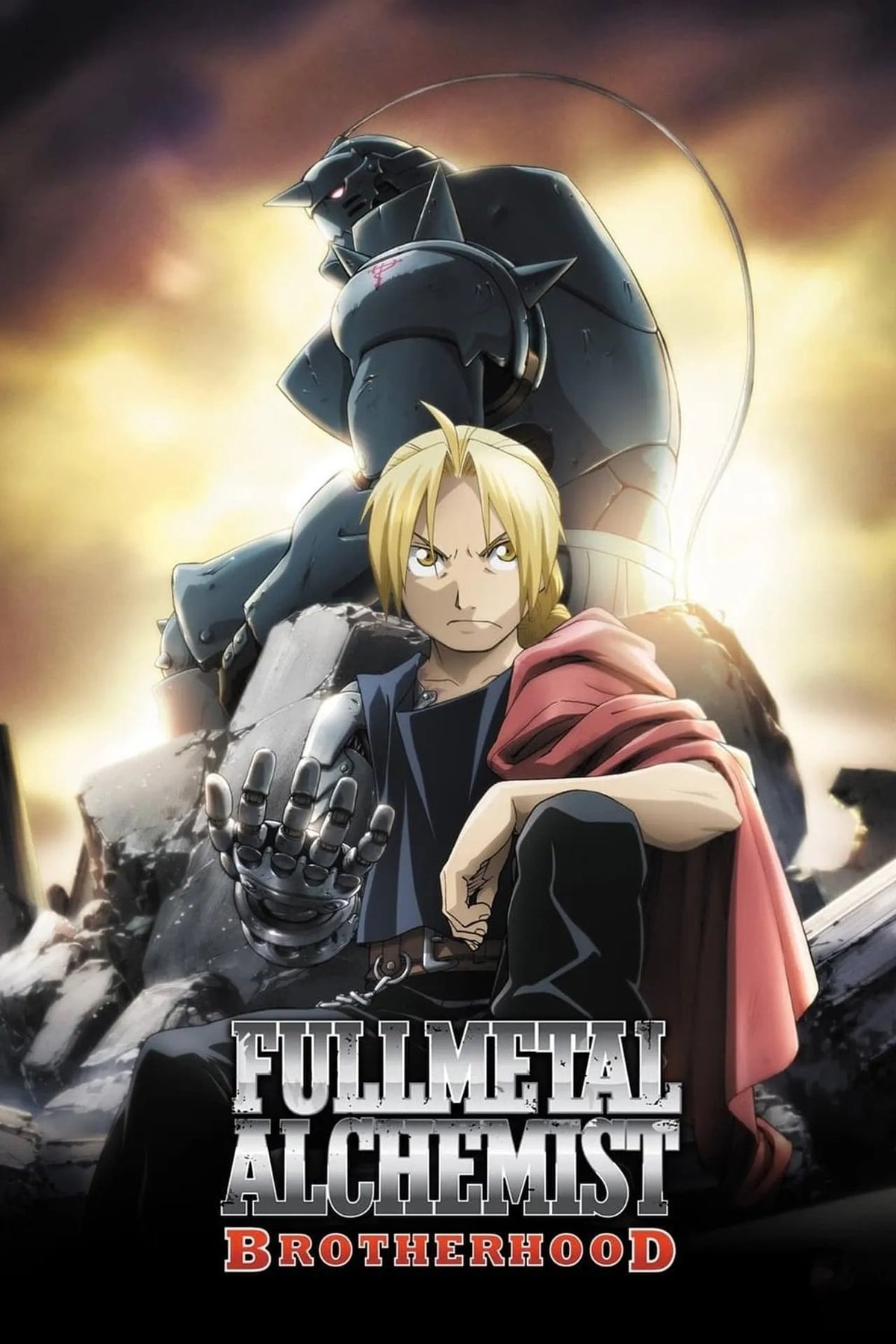
Let's clear the air right away: if you've landed here searching for "Nico Robin in Fullmetal Alchemist Brotherhood explained," you've stumbled upon a fascinating intersection of fandoms! Nico Robin, the brilliant archaeologist with the power of the Hana Hana no Mi, is a beloved character from Eiichiro Oda's epic pirate saga, One Piece. She is not, however, a character found within the intricate, alchemy-driven world of Fullmetal Alchemist: Brotherhood.
It's easy to see how curiosity might lead to such a query – imagining iconic characters from different universes interacting can be a lot of fun! While we can't delve into Nico Robin's non-existent role in Amestris, we can offer you the most comprehensive, human-first overview of Fullmetal Alchemist: Brotherhood's incredible narrative, particularly its acclaimed conclusion. Consider this your definitive hub for truly understanding the rich story, characters, and deeply satisfying ending of one of anime's most revered series. We’ll even touch upon the earlier 2003 anime adaptation to highlight why Brotherhood stands out as the faithful and celebrated adaptation of Hiromu Arakawa's original manga.
Unpacking the Fullmetal Alchemist Legacy: Brotherhood's Core Distinctions
The world of Fullmetal Alchemist is vast, known for its deep philosophical themes, compelling characters, and intricate plot. It's so good, in fact, that it inspired two distinct anime adaptations. While both captivated audiences, Fullmetal Alchemist: Brotherhood (2009) is the one that meticulously follows Hiromu Arakawa's manga, offering a cohesive, planned narrative from start to finish. This fidelity is a key reason many fans consider its ending to be the true, definitive conclusion to the Elric brothers' journey.
For those eager to understand the critical divergences between the 2003 anime and Brotherhood, understanding these foundational differences is crucial. The choices made in the earlier series created a dramatically different outcome for Edward and Alphonse Elric.
Fullmetal Alchemist (2003): A Divergent Path's Emotional Weight
The initial Fullmetal Alchemist anime, released in 2003, began its run following the manga's storyline but, due to catching up with the ongoing publication, eventually forged its own unique path. This divergence led to entirely new characters, altered backstories for familiar faces, and a significantly darker tone, particularly concerning its antagonists. The very nature of the Homunculi, for instance, was reimagined, adding a layer of tragic irony to their existence within this adaptation.
In the 2003 version, a Homunculus is terrifyingly born whenever someone attempts human transmutation, only gaining a human-like form through the use of red stones. This is a stark contrast to their manga counterparts, and if you're curious to delve into the unique origins and fates of the Homunculi in the 2003 anime, it offers a fascinating, albeit darker, take on these villains. The emotional stakes in this series were incredibly high, leading to a conclusion that left many viewers with a bittersweet taste.
The series itself ended with Edward and Alphonse separated between two worlds, a heartbreaking outcome that many fans found difficult to accept after their shared struggles. This impactful series then received a cinematic finale to tie up its loose ends.
Conqueror of Shamballa: The 2003 Anime's Movie Finale
Two years after the events of the 2003 series, Fullmetal Alchemist the Movie: Conqueror of Shamballa provided a dramatic, albeit controversial, conclusion. Set in 1920s Germany, it found Edward Elric navigating a world vastly different from Amestris, entangled with the Thule Society and their dangerous quest to bridge the two universes. The movie culminates in a desperate fight, sacrifices, and a reunion that, while poignant, left the brothers permanently separated from their loved ones in Amestris.
Edward's ultimate decision to stay in "our world" with Alphonse, believing nothing was left for him back home, was met with mixed fan reception. For a deeper look into this unique conclusion, you can explore the bittersweet conclusion of Conqueror of Shamballa, which truly solidified the 2003 anime’s independent narrative.
Fullmetal Alchemist: Brotherhood (2009): A Faithful Adaptation's Grand Finale
In contrast to its predecessor, Fullmetal Alchemist: Brotherhood is celebrated for its unwavering commitment to Hiromu Arakawa's original manga, delivering a consistently brilliant story that culminates in an overwhelmingly satisfying conclusion. This adaptation provides a comprehensive explanation for every mystery and character motivation, solidifying its place as a masterpiece of anime storytelling.
The primary antagonist in Brotherhood is Father, a being whose ancient origins as the Dwarf in the Flask from Xerxes are central to the entire narrative. To learn more about Father, Brotherhood's ultimate antagonist, you'll uncover a truly horrifying backstory that ties directly to Hohenheim and the creation of the Homunculi, all in his relentless pursuit of "true godhood."
The series builds to an ultimate showdown against Father, who seeks to sacrifice the entire country of Amestris using a nationwide transmutation circle. The alliance formed between the Elric brothers and their diverse allies to combat this threat is one of the most compelling aspects of the final arc, showcasing unity against impossible odds. Hohenheim's sacrifice, using his Philosopher's Stone to weaken Father, is a pivotal moment, inspiring all those fighting alongside him. Alphonse's own selfless act, sacrificing his soul to restore Edward's original arm, demonstrates the unbreakable bond between the brothers, paving the way for Edward to deliver the final blow. To truly explore the full scope of the Elric brothers' journey and sacrifices in FMA:B, you'll witness a testament to brotherly love and unwavering determination.
The Price of Alchemy & A Well-Earned Happily Ever After
One of Brotherhood's most powerful messages lies in its exploration of equivalency and the true cost of alchemy. In the final confrontation, Edward Elric makes the ultimate sacrifice: performing human transmutation on himself at the Gate of Truth, he trades his ability to use alchemy to bring Alphonse back in his original body. This profound moment not only reunites the brothers in their true forms but also underscores the definition of "Truth" itself—a god-like being that governs alchemy's secrets, teaching humility and the recognition of human limitations. To fully unravel the mysteries of the Gate of Truth in FMA: Brotherhood, you'll grasp the philosophical heart of the series.
The resolution for the supporting cast is equally fulfilling. Colonel Mustang is given an opportunity to rebuild Ishval, with Scar's assistance. Alphonse embarks on a journey to Xing to learn Alkahestry, accompanied by Jerso and Zampano, while Edward proposes to Winry Rockbell in a memorably charming scene. Van Hohenheim is respectfully buried beside Trisha, and Ling Yao takes his rightful place as the emperor of Xing, signifying a new era. The series beautifully culminates with a photograph depicting Edward and Winry with their two children, alongside Alphonse, May Chang, and other loved ones, signifying a future filled with peace and happiness. This heartwarming conclusion is why so many fans dive deep into the Fullmetal Alchemist Brotherhood ending explained for its emotional payoff.
Manga's Heartfelt Bonus: "Another Journey's End"
For dedicated fans of the manga, there's an extra layer of warmth that extends beyond the anime's finale. The manga features a beautiful bonus chapter titled "Another Journey's End," which focuses on Alphonse. In this chapter, Alphonse's old armor, the very vessel that once held his soul, is sent to the Rockbell's house. Rather than simply storing it as a relic, Alphonse requests Winry to melt it down. His intention? For the metal to be repurposed into automail for more people in need, showcasing his enduring compassion and dedication to helping others.
This poignant addition truly encapsulates the spirit of the Elric brothers' journey and offers an even more complete understanding of their lasting impact on the world. If you're eager to discover the heartwarming details of the manga's exclusive bonus chapter, you'll find it's a perfect coda to an already incredible story.
Why Brotherhood's Ending Reigns Supreme for Fans
Ultimately, the reason Fullmetal Alchemist: Brotherhood's ending is so widely preferred is its commitment to hope, reunion, and personal growth. The Elric brothers, after enduring immense suffering and making profound sacrifices, are finally reunited, whole and ready to embark on new, meaningful lives. This stands in stark contrast to the 2003 anime's bittersweet separation and their fate of being trapped in a parallel world, a narrative choice that, while dramatic, left many yearning for a more hopeful resolution for the beloved protagonists.
Whether you came here with a crossover curiosity or simply to revisit a cherished series, we hope this comprehensive look at Fullmetal Alchemist: Brotherhood has enriched your understanding of its profound and satisfying conclusion. The Elric brothers' journey reminds us that even after facing the deepest darkness, courage, love, and sacrifice can pave the way for a brighter future.